
The Ultimate Guide to Choosing the Right Dog Bed
Just like with humans, high-quality sleep is extremely important for our canine friends. It helps keep them healthy and happy, which is why you should do what you can to make sure your dog gets the 16 hours of sleep they need daily. If your dog is still in the puppy phase, they may need closer to 20 hours of sleep.
One of the most important factors in how well they sleep is their bed. The more comfortable, safe and relaxed they feel in their bed, the more likely they are to get the best possible sleep.
Finding the perfect bed for your dog isn't just buying one that's big enough for them, or one that you think looks stylish. You need to consider your pet's unique sleeping habits, size and preferences.
To help you with your search, we've put together the ultimate guide to choosing the right dog bed.
Why Is It Important to Choose the Right Dog Bed?
Many dog owners may be tempted to buy the cheapest or most convenient dog bed. But rushing the decision or simply going for the least expensive option can mean buying a bed that isn't well-suited to your dog.
Finding the best fit for your dog is important since their bed can massively impact their:
- Health: A poor-quality dog bed, or one not suited to your dog's medical conditions, could cause them pain or discomfort.
- Comfort: A bed ill-suited to your dog is unlikely to be comfortable, meaning they won't enjoy being in it and will experience poor sleep quality.
- Happiness: A good-quality dog bed provides your pup with a place where they can feel safe and relaxed.
Carefully considering your dog's needs can make them feel content in their bed and encourage them to sleep in it. This is particularly useful as you prepare to welcome a new dog into your home who may be feeling anxious or unsure of themselves.
Choosing the right dog bed can make your life easier, too. Some dog beds are designed to be easy to clean, while others are built to withstand those ever-chewing puppy teeth. Whichever appeals to you, it can make maintaining your dog's bed that much easier and allow your pup to enjoy it for even longer.
Different Types of Dog Beds
Dog beds come in various styles, each with their own perks. There's no “best” type of dog bed, but there may be one that's better for your dog in particular. Here are the most popular types of dog beds.
Pillow Dog Beds
Pillow dog beds are exactly what they sound like — a pillow large enough to accommodate your dog. Available in various shapes and sizes, pillow beds provide a basic yet highly comfortable place for your dog to sleep, lounge and enjoy a tasty treat. Pillow beds often come with a removable cover so you can easily clean it.
Cuddler Dog Beds
Thanks to its raised sides, a cuddler dog bed is perfect for a dog that likes to curl up and snuggle. These beds also provide extra warmth by blocking cold drafts.
Crate Mats
If your dog prefers a flatter bed or sleeps in a crate, then a crate mat is the perfect solution. Crate mats allow for stretching and a wider range of sleeping positions. They also tend to be durable and easy to clean.
Orthopedic Dog Beds
For dogs with aches and pains, orthopedic beds can provide increased comfort. Made from materials that will support your dog's weight, orthopedic beds are also easier for your dog to climb in and out of. These perks can help dogs with arthritis, hip dysplasia, obesity and other joint issues.
Igloo Dog Beds
An igloo bed, also called a cave bed, has tall sides that meet to form a soft roof that encloses the bed. These beds can come in many shapes, some with a tall ceiling, and others with a lower ceiling that creates a more enclosed feeling for your dog. Igloo beds can provide that much-needed feeling of security and comfort for nervous dogs.
Features to Consider in a Dog Bed
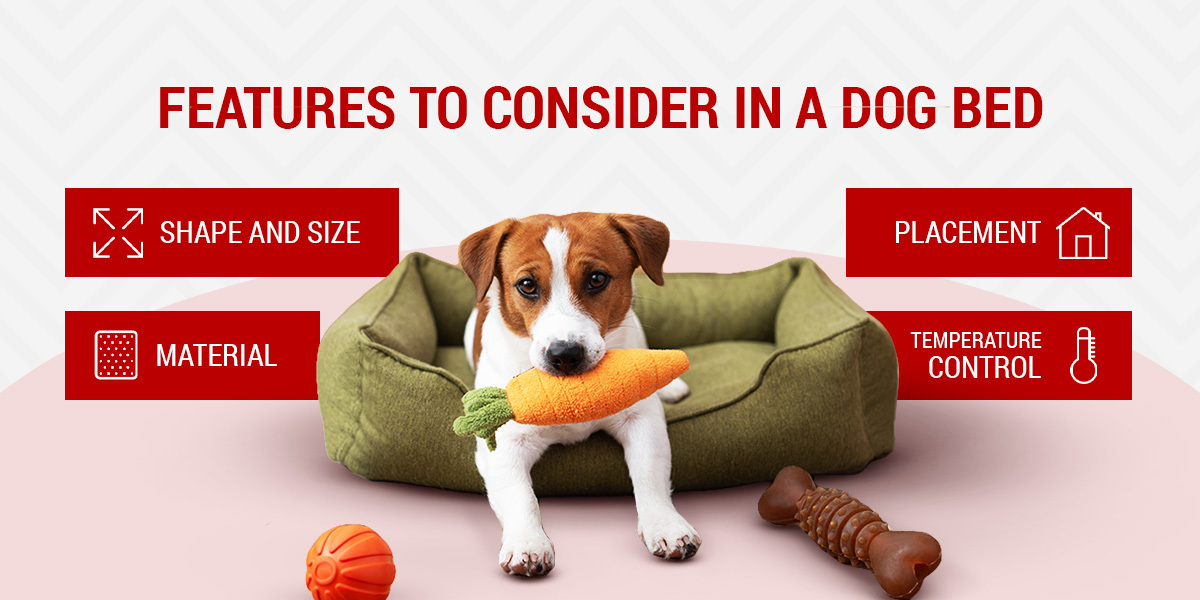
If you're unsure what type of bed would be best for your dog, it may be easier to look at the different aspects of a bed one by one to narrow down your choices. Here's how to choose a dog bed based on its features.
Shape and Size
Dog beds come in all sorts of shapes, from flat rectangles often seen in crate mats to the round cuddle beds with high edges.
Naturally, bigger dogs need bigger beds. But your dog's size isn't the only consideration when deciding how large a bed to get for them. To determine what shape and size might be best for your dog's bed, consider their sleeping habits. Do they prefer to curl up and feel warm while they sleep? Or do they prefer to sprawl out without any obstructions over a flat surface?
If you have multiple dogs who prefer to sleep together, consider getting a larger bed to accommodate them. You also need to consider whether your dog bed will be transported regularly.
Material
The material your dog bed is made from will impact how comfortably they sleep in it. If your dog prefers an enclosed bed, plush or fluffy materials will keep them warm and cozy. On the other hand, if your dog prefers a cooler bed, consider one made from cooling fabrics.
Your dog bed's longevity and maintenance needs will also depend heavily on the material it's made from. Soft fabrics will go in the laundry more easily, while harder materials may benefit more from handwashing.
If you want to give your dog that additional level of comfort, you may want to get a memory foam bed. This material is often used in orthopedic beds since it provides extra cushioning and support.
Finally, if your dog is prone to itchy or inflamed skin, you might want to choose a bed with hypoallergenic materials like sheep's wool.
Placement
Think about where you'll place your dog bed. For example, if you need a bed for your dog's crate, you'll be limited in size and probably want to get a flat bed.
If the bed will be placed on a hard floor, ensure it's thick enough to provide the necessary level of support and comfort.
Temperature Control
If your dog needs help keeping warm while they sleep, you could get them a heated bed, which can be powered by either electricity or self-warming materials. The electric beds can be powered by plugging them in or using batteries. Either one will create a warm and toasty bed for your dog to sleep in — but be careful if your dog is a chewer, as you don't want them to get wires or batteries in their mouth.
Self-warming beds aren't quite as warm as the electric models, but they are safer. Using heat-reflective materials, these beds help your dog retain as much body heat as possible, keeping them warm and toasty throughout the cold nights.
If your dog is often too hot while they sleep, an elevated bed could be the solution you're looking for. By holding your dog off the ground while they rest, these beds allow cool air to circulate underneath them, taking away excess body heat and helping them retain a comfortable temperature. Alternatively, you could opt for a cooling mat.
Beds for Certain Dogs

In some cases, your dog may need a specific bed to help them sleep. Here are some situations that call for a particular type of bed.
Older Dogs and Dogs With Joint Pain
One of the best ways to care for your aging dog, or any pet with a medical condition that makes it difficult or painful for them to move, is to get them a comfortable adult pet bed. In most cases, this will mean getting them an orthopedic bed. Otherwise, you need to make sure your dog's bed is thick, made from high-quality materials and easy to access. You may want to add a heating pad to the bed to ease any pains, too.
Dogs Who Chew
One of the main reasons that dog owners don't want to fork out for a high-quality bed for their pup is that they're concerned it will be chewed to pieces in a matter of hours. It's a valid concern for many dogs, particularly teething puppies.
Rather than buying a new, cheap bed every weekend or simply not buying one at all, you could invest in a chew-proof bed. These beds are made from sturdy materials that your pup will struggle to chew through while still providing the comfort your dog deserves.
Dogs Who Aren't House-Trained
If your dog still has the occasional accident in the house, you could get a bed that's waterproof and easy to clean. This makes it much easier to deal with any mess your pup may make.
Common Mistakes People Make When Buying Dog Beds
There are plenty of small missteps you can make when it comes to your dog's bed. Some of the most common mistakes dog owners make with their pup's beds are buying one that is:
- The wrong size: Whether it's too big or too small, the wrong-sized bed can be uncomfortable or unsettling for your dog.
- Unsuited to their sleeping style: If your dog can't sleep in a way they find comfortable because of the bed's style, they won't enjoy sleeping in it.
- The wrong texture: Dogs can be just as particular as people about what they find comfortable, and if you choose a texture they don't like, they may not want to sleep in their bed.
- Uncomfortable: Your dog's bed needs to provide comfort and physical support, especially if it's to prevent joint issues.
- Difficult to clean: It's important to keep your dog's bed clean, so if it's difficult to wash, you can quickly come to dread this task.
- Not made from hypoallergenic materials: If your dog is regularly itchy, their bed can make their itching worse if it's not made from hypoallergenic materials.
Sometimes, it's not so much a mistake as it is challenging to find a bed that ticks all the boxes. This is why it can take time to find the perfect dog bed.
FAQs
Here are some common questions dog owners have about finding the perfect bed for their furry family member.
How Much Do Dog Beds Cost?
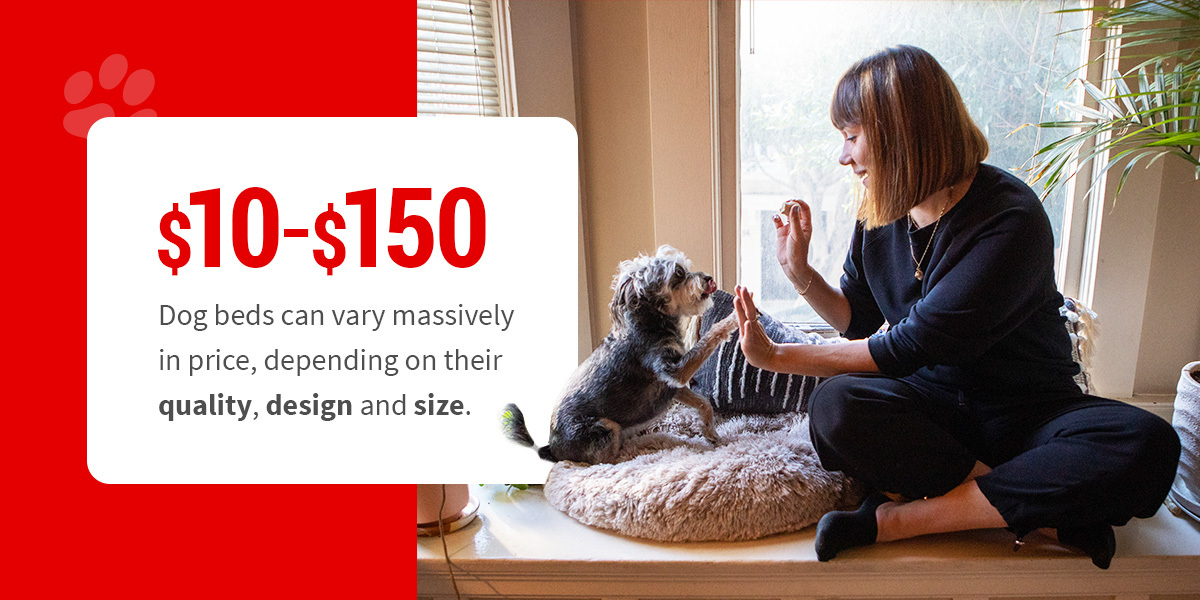
Dog beds can vary massively in price, depending on their quality, design and size. You can get simple dog beds, such as crate mats and dog pillows, for as low as $10. At the other end of the scale, you can easily spend $150 on an orthopedic bed.
You don't have to go to the upper end of the scale to give your dog a bed they love. As long as you buy your dog's bed based on what's best for their comfort and needs, it doesn't matter how much or how little you spend.
Where Should Your Dog's Bed Go?
In an ideal world, your dog will have at least two beds. The first bed is where they'll sleep overnight, so it should be in a quiet, out-of-the-way location that's warm and free from chilly drafts.
The second bed can be in a more social area where your dog can doze while the family is around. It's less crucial, but it's good for your dog to have a getaway spot during the day where they can snatch a few minutes of sleep in peace.
What if Your Dog Sleeps in Your Bed?
Having your dog sleep with you can be wonderful — they're a comforting presence and an additional layer of security, not to mention warm and snuggly. But there will be times when you won't want them in bed with you, such as if either one of you is ill or if they have fleas. When this happens, they should have a bed they're already comfortable with, so they don't have to adjust to both the bed and your absence at the same time.
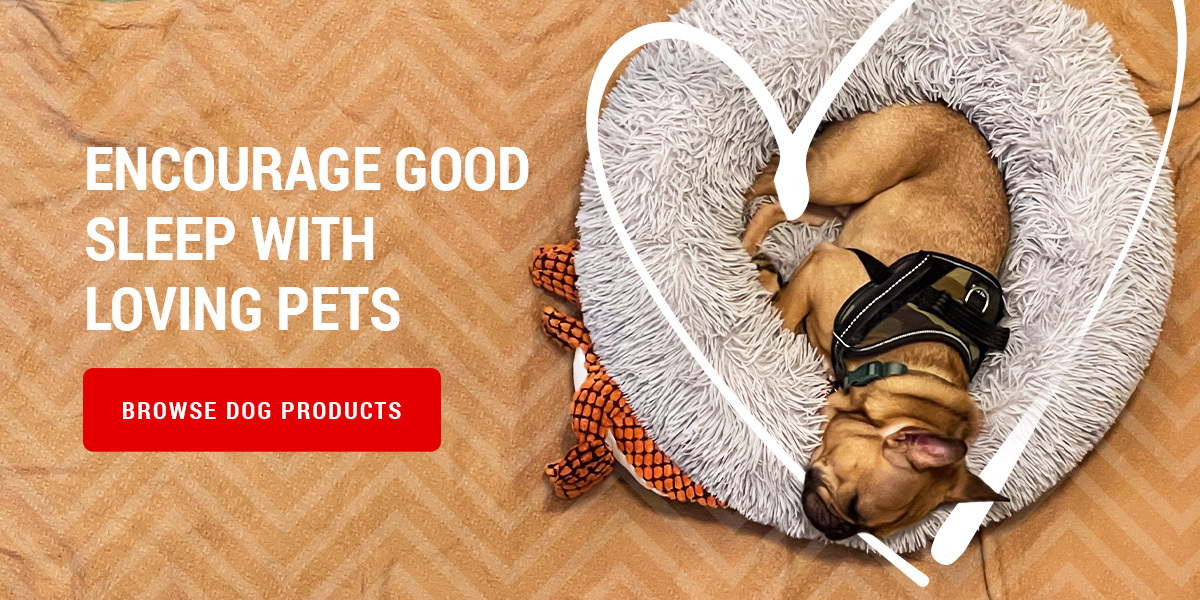
Encourage Good Sleep With Loving Pets
Getting the perfect dog bed is one of the best ways to encourage them to get the sleep they need, which can massively improve their health and general happiness. But many dog owners find that their canine friend is initially unsure of their new bed, even when it is perfect on paper.
One of the best ways to build a positive association with their new bed is with delicious treats. Whether it's a tasty training treat so you can teach them your chosen “bed” command, or a yummy long-lasting chew that will help them settle in their bed, treats are the perfect way to make your dog happy in their new bed.
At Loving Pets, many of our in-house treats are made right here in the USA at our SQF-certified facilities in Cranbury, New Jersey. Our treats are healthy, tasty and made with simple ingredients. They can help your furry friend enjoy the health and happiness they deserve, particularly when they're coupled with a great night's sleep.
Browse our dog products today and get your pup settled in their new perfect bed.