

Understanding Canine Cancer: Prevention, Detection and Treatment
The last thing you want to hear a vet say to you during an appointment is that your dog has cancer. Sadly, it's a common diagnosis in the canine world. Statistically speaking, an estimated 4.2 to 6 million dogs receive a new cancer diagnosis in the United States each year. While it's something you may not expect to happen, the reality is that it's possible, and you're better off knowing how to handle it if it happens.
As a dog owner concerned about your pet's health, you must understand canine cancer, its prevention, detection and treatment. We have created this detailed guide to answer any questions about canine cancer, including what it is, its different types, common symptoms to watch for and treatment options. We also cover some tips for preventing cancer in dogs.
What Is Canine Cancer?
Like humans, dogs can develop abnormal and uncontrolled cells that form masses and spread to other parts of their bodies. Similarly, dogs can develop benign masses, which are not a serious health risk — they grow more slowly than cancers and don't metastasize to other tissues and organs.
Although canine cancer is more prevalent in older dogs, several other risk factors can contribute to its development. Some of these factors include:
- Genetics: Dogs can inherit gene mutations that make them susceptible to cancer. Such mutative genes include the proto-oncogenes responsible for promoting cell division and the tumor suppressor genes, which function as tumor inhibitors. Breeds such as the golden retriever and the boxer are at a higher risk of developing cancers due to inherited genetic mutations.
- Breed predisposition: Due to different genetic makeups, some dog breeds are more predisposed to certain types of canine cancer than others. For example, while bulldogs and Scottish terriers are more predisposed to lymphoma, deerhounds and German shepherds are more likely to develop bone cancers.
- Environmental factors: The environment in which a dog lives can also influence susceptibility to canine cancer. Constant exposure to harmful pollutants like asbestos, tobacco and cigarette smoke, pesticides and herbicides leads to greater risks of developing cancer.
- Sun exposure: Prolonged sun exposure increases the risk of skin cancer in dogs, especially those with light skin, thin coats or no fur.
- Hormones: Certain types of cancers in dogs are hormone-dependent. For instance, long-term estrogen exposure increases the risk of mammary tumors in female dogs. Conversely, the prolonged impact of testosterone on the prostate gland can cause prostate cancer in male dogs.
- Nutrition: Studies have shown that obesity increases the risk of certain types of cancer in dogs.
Common Types of Cancer in Dogs
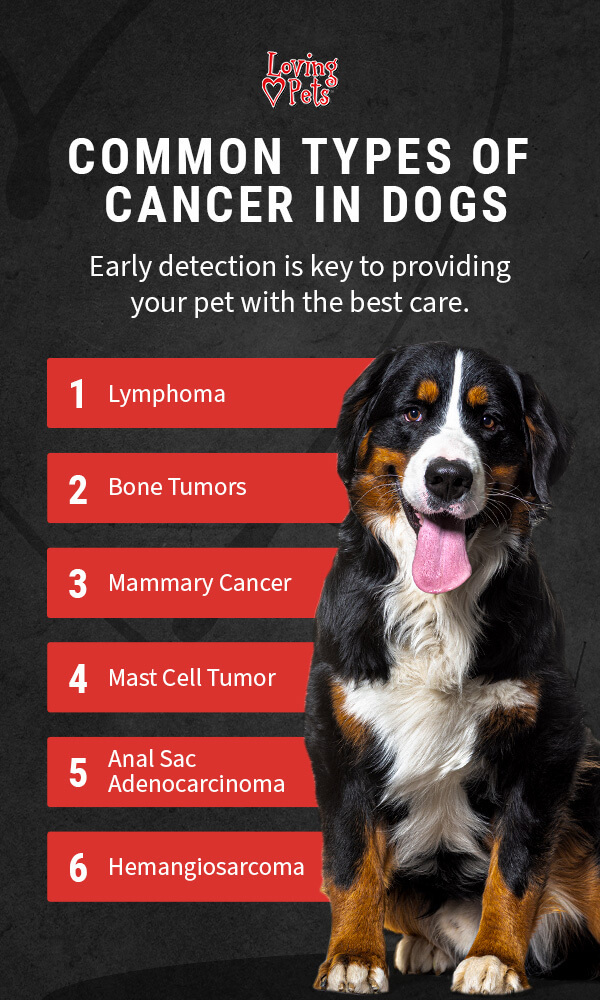
There are different types of canine cancers, each with its own characteristics that determine the rate at which they grow and spread. In each case, early detection is key to providing your pet with the best care. Let's examine some common types of canine cancers.
Lymphoma
Lymphoma is one of the most common types of canine cancer. It affects the lymphatic system and is commonly characterized by the swelling of lymph nodes in areas of a dog's body, like under the jaw, behind the knees, and in the groin and armpits. Dog breeds such as English bulldogs, poodles, beagles, basset hounds and German shepherds are more susceptible to developing lymphoma. Different types of lymphoma can affect dogs, including:
- Multicentric lymphoma: This type of lymphoma is the most common one, accounting for 85% of diagnosed cases. Multicentric lymphoma affects multiple lymph nodes at the same time, causing painless swellings in the shoulders, hind legs and neck. These swellings can also occur in the spleen, liver and bone marrow. Some physical symptoms of this type of lymphoma may include lethargy, dehydration, increased urination and loss of appetite.
- Alimentary lymphoma: This is a less common type of cancer compared to multicentric lymphoma, constituting 5% to 7% of all canine lymphomas. It affects the gastrointestinal tract of dogs, leading to symptoms such as vomiting, lethargy, diarrhea, loss of appetite and abdominal pain.
- Mediastinal lymphoma: Affecting the lymphoid tissues of the chest, mediastinal lymphoma is a rare and aggressive type of lymphoma. Some symptoms of this type of lymphoma include difficulty breathing; excessive thirst and urination; and pitting edema of the neck, forelimbs and head.
- Extranodal lymphoma: This type of lymphoma extends beyond the lymph nodes to other organs such as the eyes, skin, kidneys, liver and the central nervous system. It's the rarest type of lymphoma and causes symptoms like hair loss, lethargy, ulcers, plaques and reddish patches.
Bone Tumors
Bone tumors affect a dog's skeletal structure, with osteosarcoma being the most common. Osteosarcoma primarily develops in the limbs but can also affect other bony structures, such as the spine, ribs and skull. This type of cancer is painful and excessively aggressive, spreading rapidly around the body. Giant dog breeds with long legs and large body mass, such as the Great Dane and rottweiler, are at a higher risk of developing this type of cancer. Some common symptoms of osteosarcomas include:
- Lethargy
- Limping or lameness
- Loss of appetite
- Weight loss
- Sudden leg fractures
- Painful swelling in the leg or other affected body parts
Mammary Cancer
Mammary or breast cancer develops in the mammary glands. Although commonly occurring in female dogs, this type of cancer can also affect males. It results from abnormal cell growth in the breast tissue. Not every growth in a dog's breast is cancerous. Some can be benign with no threat to health or life.
Certain risk factors contribute to the development of mammary cancers, including:
- Reproductive status: Unspayed female dogs are at higher risk of developing mammary cancers. Additionally, dogs spayed after 2 years are more susceptible to mammary cancer than those spayed earlier in life.
- Hormone exposure: Long-term exposure to growth-stimulating hormones like progesterone can increase the risk of developing breast cancer in dogs.
- Age: As with other types of cancers, older dogs are more at risk of mammary cancers than younger ones.
Some symptoms associated with mammary cancer include:
- Breast lumps
- Nipple discharge
- Ulceration
- Redness of the mammary gland
- Loss of appetite
- Weight loss
- Lethargy
Mast Cell Tumor
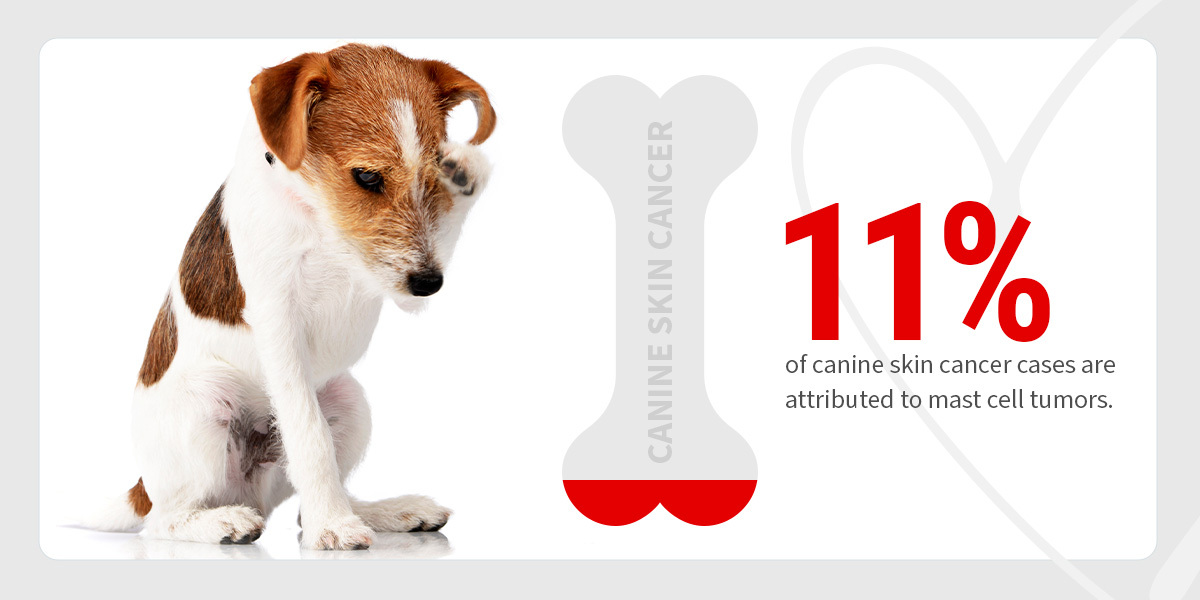
Mast cells play a vital role in a dog's immune system. They defend the body against pathogens, repair damaged tissues and facilitate wound healing, among other essential functions. Mast cell tumors (MCTs) are the most common type of canine skin cancer that occurs as a result of abnormal replication of mast cells — they account for 11% of skin cancer cases in dogs. Some dog breeds that are highly susceptible to mast cell tumors include boxers, Weimaraners, pit bull terriers and bulldogs. It also commonly affects middle-aged dogs.
There are different grading systems for assessing the severity of MCTs. According to the Kiupel system, the following are the two-tiered grading of mast cell tumors:
- Low-grade mast cell tumors: These types of MCT are less aggressive and slow-growing, with reduced risk of spreading to other organs.
- High-grade mast cell tumors: High-grade MCTs are more aggressive and tend to spread rapidly to other organs in the body.
MCTs appear as skin lumps of varying shapes and sizes on the trunk and extremities. Because of the way they appear, it's easy to confuse mast cell tumors with benign lumps and other skin conditions. For this reason, it's crucial to book a vet appointment if you notice unusual changes in your dog's skin. Some common symptoms of mast cell tumors include:
- Skin lumps
- Redness of affected areas
- Ulcerations
- Vomiting and diarrhea
- Loss of appetite
Anal Sac Adenocarcinoma
This type of cancer affects the apocrine glands within the anal sacs. Commonly affecting older male and female dogs, it is highly aggressive with metastasizing characteristics. Dog breeds such as German shepherds, golden retrievers, border collies and spaniels are more likely to develop anal sac adenocarcinoma.
Some symptoms of this type of cancer include:
- Lumps near or around the anus
- Excessive thirst and urination
- Painful defecation
- Loss of appetite
- Vomiting
- Lethargy
Hemangiosarcoma
Hemangiosarcoma is a type of cancer that affects a dog's blood vessels. It's highly aggressive and can metastasize to organs like the kidney, brain, bones, liver, lungs and lymph nodes. Dog breeds such as boxers, German shepherds, pit bulls, Labrador retrievers and golden retrievers are more susceptible to developing hemangiosarcoma. Although this type of cancer is common among middle-aged to older dogs, it can also occur in puppies.
This type of cancer poses severe danger to a dog's health and life because it hardly presents any symptoms until a blood vessel ruptures.
These are some common types of hemangiosarcoma:
- Splenic hemangiosarcoma: The spleen is one of the most common organs that hemangiosarcoma affects. These tumors can grow significantly, rupture and hemorrhage in the abdomen.
- Cardiac hemangiosarcoma: This type of cancer affects the right atrium and right auricle of a dog's heart. Like other types of hemangiosarcomas, cardiac hemangiosarcoma doesn't present any visible symptoms until cardiac tamponade occurs. This condition is when fluid accumulates around the heart, preventing it from pumping efficiently and leading to fainting, weakness and lethargy.
- Skin hemangiosarcoma: Hemangiosarcoma can affect the blood vessels of the skin, leading to the development of visible skin tumors.
Tips for Preventing Cancer in Dogs
Cancer of any kind can be a painful experience that can affect your dog's quality of life, and no one wants to watch their pet go through that. While you may not be able to stop the occurrence of cancer in your dog, you can take steps to prevent it. This section outlines some tips for preventing canine cancer in your dogs.
Create Healthy Environments for Your Dog
As we have already discussed, environmental factors can contribute to the development of cancer in dogs. The last thing you want is to unintentionally put your pet at risk by exposing them to environments and pollutants that are detrimental to their health. To provide a safe and healthy environment for your dog, avoid exposure to secondhand and thirdhand smoke, toxic chemicals, and products like pesticides and herbicides.
Watch Your Dog's Weight

It can be tempting to keep the treats flowing, especially when your dog has been good. However, it's in your dog's best interest that you keep an eye on their weight to ensure they are within healthy limits. Here are some tips for prioritizing your dog's weight and, by extension, their health:
- Exercise regularly: There are many fun ways you can incorporate exercise into your dog's routine. Create time for regular walking, running, hiking and even swimming to keep your dog in good shape. However, you should learn about your dog's breed capacities to prevent pushing them beyond their limits.
- Pay attention to your dog's nutrition: When prioritizing your dog's health, become more intentional about what they eat. Not every food or treat is suitable for your dog's health. Pay attention to the nutritional content of the food and treats you buy to give them the best nutrition possible. Remember, high-quality treats and simple ingredients support overall wellness.
Look out for Symptoms
When it comes to canine cancer, the earlier you detect the symptoms, the better for your dog. Always pay attention to any symptoms or changes in your dog's physical appearance and body language. If anything appears off, it's likely a sign to contact your veterinarian. While symptoms may vary from one type of cancer to another, here are some common symptoms to watch for:
- Lethargy
- Loss of appetite and changes in eating habits
- Increased thirst and urination
- Physical lumps
- Difficulty breathing
- Limping
Regular vet checkups can also help with early detection and treatment of canine cancer.
Minimize Sun Exposure
As beneficial as the outdoors is for your dog, excessive sunlight exposure can be harmful, especially if you have a hairless dog breed. You can still enjoy fun times with your dog in the outdoors. However, avoid being out too often when the sun is at its strongest. If you must go out, use pet sunscreen and protective clothing to keep your dog safe.
Treatment Options for Canine Cancer
The type of treatment available for a dog with cancer will vary depending on the type of cancer they have and the rate at which it has spread. In some instances where the lump is isolated and not widespread, surgery is likely a treatment option.
For certain types of cancers, chemotherapy, radiotherapy or immunotherapy may be suitable treatment options. Some cases may require a combination of two or more treatment plans. It's best to consult a veterinarian or a specialist in dog cancer to determine the most effective course of treatment.
Provide the Best Support for Your Ailing Dog
It's never easy to watch a beloved pet in pain and discomfort because of cancer. However, you can play your part in ensuring your dog is loved and cared for before, during and after treatment. Spend as much time as possible with them and offer them healthy treats and rewards as often as you can.
At Loving Pets, we understand how delicate the experience can be when caring for your ailing dog. So, we make high-quality and healthy treats with simple ingredients that dogs love. Explore our selection of treats and accessories to give your dog the best.