Tips for Keeping Your Indoor Cat Stimulated and Happy
Indoor cats are the perfect companions. Whether it's a lazy day cuddled up on the sofa or an energetic game of chase, there's nothing like coming home to a welcoming head bump or excited meow after a long day. But let's face it, these beautiful creatures are complex little divas at times.
Do you ever wonder what's actually going on in your cat's adorable (but demanding) little head? Like all animals, keeping a house cat happy requires mental fulfillment. Without it, our fluffy family members may get bored. This can lead to frustration, unhappiness and a lot of scratched-up furniture! Spotting the signs of boredom can help you to create a daily routine to keep indoor cats engaged and happy.
For the sake of your cats, your furniture and your own peace of mind, here are our tips for keeping your indoor cat stimulated and happy.
Is Your Cat Trying to Tell You Something?
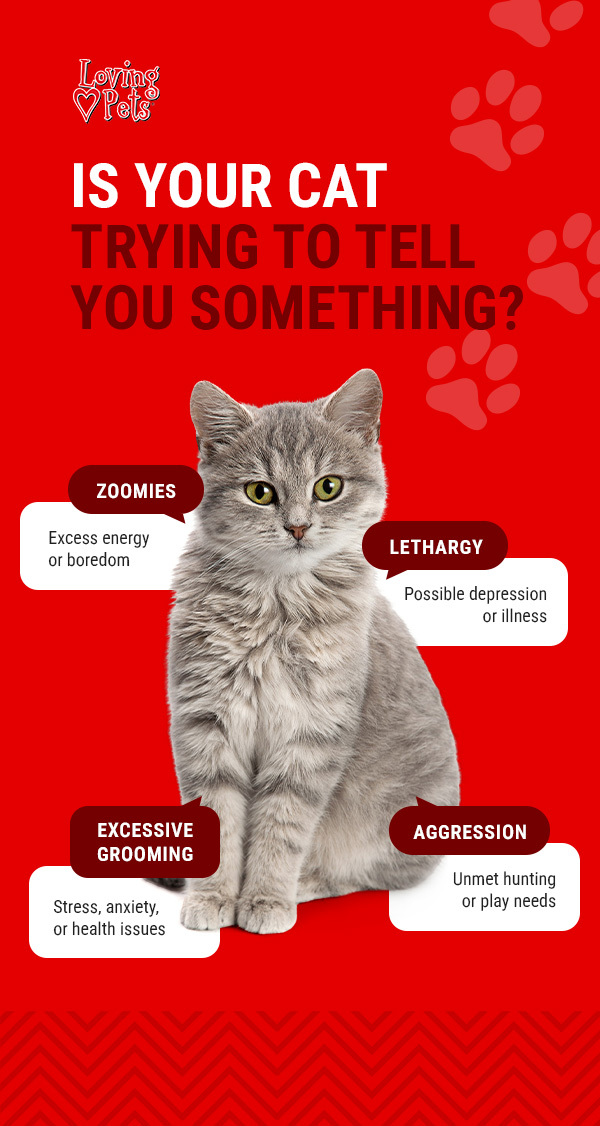
A cat's mood can change at the drop of a treat. It's one of the things we love most about our furry companions. But did you know these behaviors could be an attempt to tell you how they're feeling? The relationship we form with our cats is fascinating and unique. Studies show that cats can understand the basic human emotions of their living partner (that's you!).
Are cat owners able to do the same? Yes. It just takes a little care and attention. Below are common cat behaviors and what they might be telling you:
-
Zoomies: A house cat with zoomies can be a source of fun and play. But sometimes, especially when you're trying to sleep, it can feel like a curse. You may have heard that cats are nocturnal, but that's a myth. They're actually crepuscular, which means they're most active at dawn and dusk — that's why they turn into hyperactive balls of chaos at these times. If your cat has the zoomies multiple times a day, they may have too much energy and nowhere to put it.
-
Excessive grooming: Cats love a good grooming session. But could it be a sign of something more than self-care? A cat may self-groom excessively for medical reasons, like fleas, mites, ticks, allergies or tending to a painful area, or they might do so to self-soothe when feeling bored and anxious.
-
Aggression: Is your cat keen on chasing you around the house? Lovingly nipping at your ankles or being a little aggressive during playtime may just be in your cat's instincts. Without having to hunt for food, a cat may need an outlet to express that hunter instinct. Too much aggression, too often, is a sign that your cat feels unfulfilled.
-
Lethargy: It's not exactly breaking news to tell you that cats love to sleep. But there's a difference between a depressed, lethargic cat and a content one. A happy, cozy cat will perk up for fuss, affection and food. A lethargic and depressed kitty may suddenly have no interest in food or treats. They may also take less care of their coat or hide in isolated areas of the house.
Everyone loves a sassy cat that's full of personality. But there's a fine (fe)line between a cheeky fluff ball and a destructive force of nature. Finding ways to keep your indoor cat active can create a happy, harmonious home for everyone
Activities for Cats Indoors
Planning activities for cats to do indoors is a good excuse to spend quality time with your pet. They can also significantly improve your cat's mood and help them expend excess energy so they're not disturbing your sleep. Having a play routine can also keep them on a more regular schedule — younger cats might like more intense and more frequent play, while older cats may prefer a casual half-hour play session before it's time to go to bed.
Sometimes, the simplest solutions are the most effective. Here are some of the most fun and engaging indoor activities for cats.
Playtime
Playing with your house cat is one of life's small joys. But there are many benefits beyond its fun factor. Scientific studies have found a higher quality of life among owners who regularly play with their cats. It's also one of the best ways to reduce overexcitement and redirect them from bad behaviors. As long as your cat is mentally and physically active, it's a winning formula for improving their quality of life.
The following activities and tips can play an important part in keeping your cat active:
- Wand or feather toys: Using wand toys to stimulate cats is a tried and tested way of getting them to burn off some energy. A simple wand or feather toy can satisfy their instincts and has been shown to reduce biting and hunting behaviors. Plus, it's adorable to watch your house cat stalk, chase and pounce.
- Hide and seek games: Playing hide and seek is another great way to stimulate their hunting instincts. This also mirrors the type of play they naturally engage in — cats tend to take turns chasing and “attacking” each other during play, as this is a key signal that there are no aggressive intentions.
- Scratching: Cats don't just like to scratch things — they need to. They scratch to maintain claw health, express emotion and scent their territory. The trick to keeping them off your couch is providing a more attractive scratching option. Try both vertical and horizontal scratching posts and blocks to stimulate this instinct without destroying your furniture.
- Puzzle toys: For the more food-motivated felines, a small mat or puzzle box can be a great way to stimulate their minds while they get rewarded with tasty treats. These can also work for kitties who eat too quickly.
- Regular rotation: Our feline friends are very intelligent. Mental stimulation for cats doesn't end with using a single toy for months on end. Like humans, they love variety. Don't forget to swap toys in and out of rotation during playtime. This can reduce the risk of boredom and keep things fresh and exciting in their eyes.
- Safe toys: Cats love strings and feathers, but they can be a hazard if accidentally ingested, so wand and feather toys should be monitored and put away when not in use. Toys like durable plush kickers, crinkle balls and larger plastic springs are generally safe, but keep a closer eye when introducing new toys to avoid any dangers.
While playtime might always be fun for you, look for signs your cat might be reaching their limit:
- Panting after playing for a long time
- Walking away or ignoring the toy
- Flattened ears and crouched body posture
- Hissing, meowing or swatting out aggressively
The most important part of cat companionship is understanding their boundaries so you both enjoy every minute you spend together.
Mental Stimulation
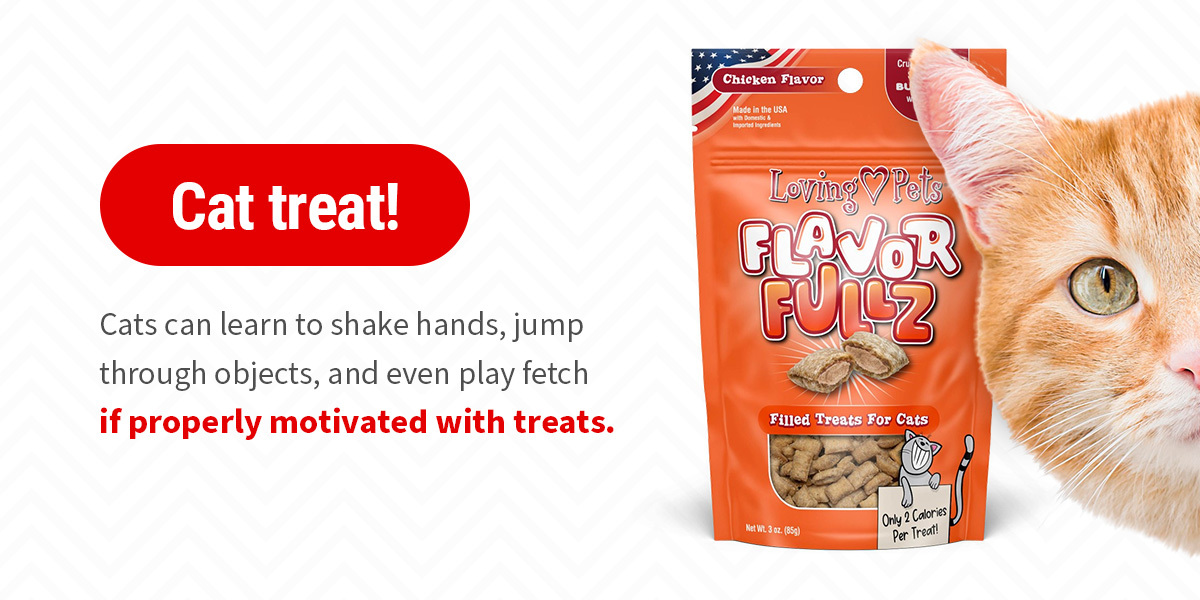
Other sources of mental stimulation for cats can come from training exercises. While common wisdom would have you believe a cat can't be trained, they often respond well to clicker training. Cats can learn to shake hands, jump through objects and even play fetch if they're properly motivated. And of course, by motivated, we mean bribed with a cat treat.
Bringing stimulating new scents into the home will keep them happily sniffing away. Cat grass, cat-safe plants and catnip are all great triggers for scents. For extra cat parent points, play an online video of mice or birds in nature. This adds another dimension to a stimulating scent experience. Mental stimulation is especially important for cats with mobility issues that impact play or older cats who aren't as active.
Structure and Routine
Consistency is the key to any plan that involves a beloved pet. Your cat probably already knows when meal time is, so designating a time for play can help reinforce their routine. If your cat tends to be active throughout the night and disrupts your sleep, consider a longer play session before you go to bed.
Even setting aside 10 minutes a few times a day for short bursts of play and stimulation can make a huge difference. This reduces the chances of separation anxiety and the OCD-like behaviors that stressed cats can sometimes develop.
Creating the Perfect Indoor Cat Play Area
It's in a cat's nature to be curious. If your cat can't explore the great outdoors, give them something to keep them occupied. It's the least we can do for them, considering the health and happiness benefits our cats give us. A play area can entertain even the fussiest of felines.
With some care and strategic placement, you can create a cat palace to stimulate, soothe and inspire animal happiness.
Height Makes All the Difference
Comfortable vertical shelves and platforms are a must-have. Our fluffy companions love to perch on high areas for many reasons, like satisfying hunter instincts or getting some space from other animals and small humans. Either way, having a high area to call their own scratches an instinctual itch.
Your cat's weight also matters here, but only in the sense that a high play area needs to be secure. The average adult domestic cat should weigh around 10 pounds. But breed sizes can vary from this average. It's perfectly normal for some breeds to weigh as little as 5 pounds or as much as 25 pounds.
Be sure to consider your cat's weight when choosing high cat towers or shelves, and ensure any chonkier cats have perches with the necessary stability and support.
Explore Their Interests
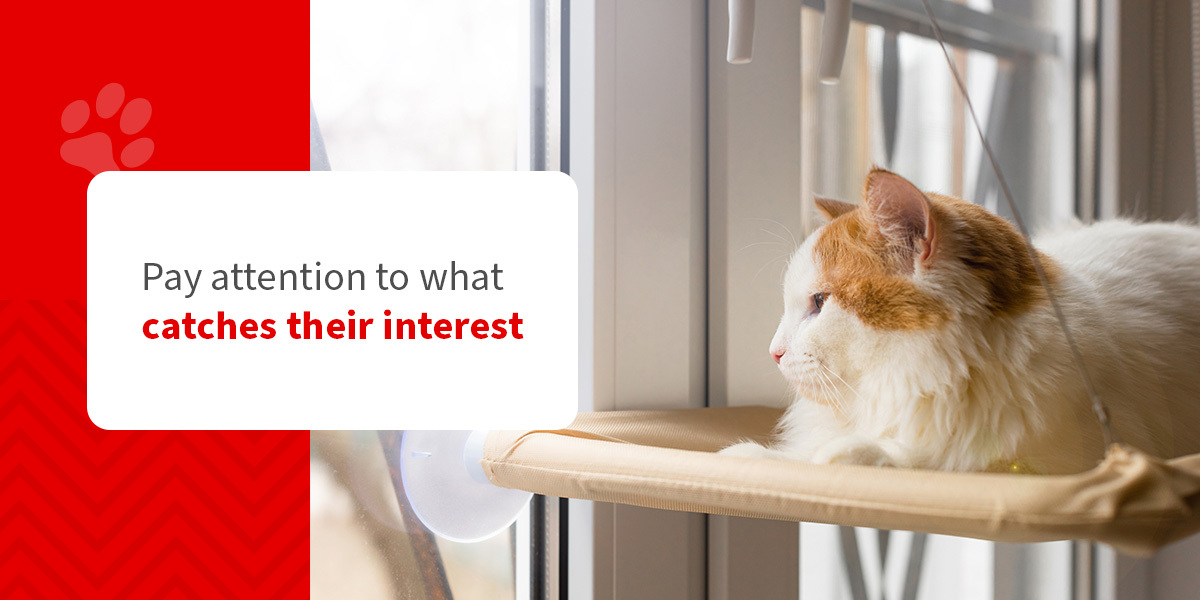
One of the most important ways to engage your cat is to pay attention to what catches their interest. Are they entranced by the birds flitting through the tree branches outside? Encourage them to engage with the outside world by setting up perches or hammocks near windows. Can they not get enough of that old cardboard box? Hide treats or crinkle toys inside, or cut small peek-a-boo holes to make the perfect lair.
Your cat may prefer certain kinds of toys or treats, so experimenting with different kinds can encourage solo play and keep them more active.
Keep Play Areas Exciting and Entertaining
You can create a cat-topia of excitement and entertainment with interactive toys, scratching posts and mental stimulation activities. Toys to stimulate cats, like pom-pom balls, fake mice and dangling items, tap in to their primitive urges to chase and hunt. If your cat is restless, providing structured playtime with these toys can help focus their energy.
You can also incorporate tunnels, boxes and other hideaways into the play area — you probably know how much your cat enjoys “pouncing” on unsuspecting prey, so these can add an extra level of stimulation for them. If your cat seems to be getting bored with the same old, same old, try moving a few things around — or add a new cardboard box into the mix — and watch them explore.
Provide Space to Decompress
Playtime with cats might look different from that with dogs, who are often more "go, go, go" — cats often like to take a break to observe or rest before going back to playing. When playing with each other, this behavior signals that their intentions are not aggressive.
Creating places for comfort and solitude can give them some privacy to recharge their batteries. Some effective ways to make your home cozy and relaxing include:
- Having a combination of closed-off and open space beds in several rooms.
- Ensuring there are comfortable relaxation areas at different levels within an indoor play area.
- Letting your cat choose their own cubbyholes and areas of comfort — sometimes in the most unexpected places.
- Adding soft cushions and blankets to their relaxation areas, regularly cleaning and swapping them out for hygiene.
- Considering the cat's needs when near their safe area, including keeping cat bowls with fresh water or snacks nearby.
Remember that mental stimulation for cats doesn't end with play and excitement. They need time to feel secure and a custom-made play or rest area that meets their needs.
Keeping Your House Cat Happy, Safe and Stimulated
These tips for keeping your cat stimulated and happy are important. But their success depends on something no one else can truly understand. And that's the relationship between you and your cat. Using this guide to work around your cat's loveable little personality traits can be the final piece of the pet puzzle.
Loving Pets is a business that's family-owned, family-operated and unapologetic about our love for household pets. We've been dedicated to revolutionizing the pet industry since 2005, and you can shop a wide range of cat products with shipping nationwide.
Every pet deserves just a little of the joy they give us daily. If you have any questions about cat accessories or other pet-related matters, please don't hesitate to contact us today.